Globally, Technical and Vocational Education and Training (TVET) has been instrumental in driving industrialization by providing a skilled workforce tailored to evolving industry needs.
The World Economic Forum’s Future of Jobs Report forecasts that by 2027, over 23 percent of jobs globally will undergo structural transformation, with surging demand for green technology technicians, automated machinery mechanics, and digital infrastructure specialists.
According to the Ghana Statistical Service, youth unemployment is disproportionately concentrated among graduates lacking practical, market-aligned vocational competencies. Furthermore, the Association of Ghana Industries (AGI) has continually highlighted the scarcity of job-ready technical talent.
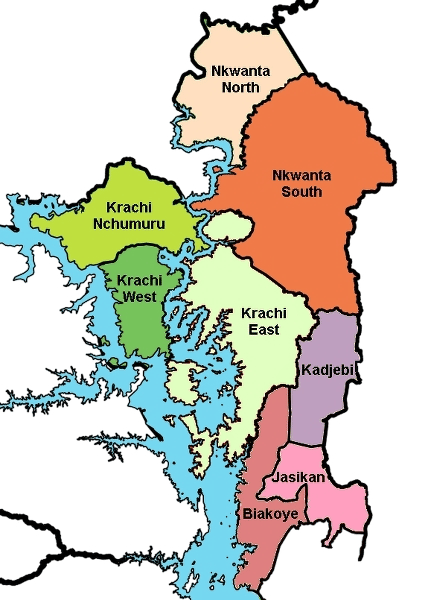
To solve this mismatch, tertiary institutions—particularly Technical Universities—must deepen their academic bridges with pre-tertiary technical institutes like those in Oti Region. By creating seamless progression ladders, joint research laboratories, and shared curriculum reviews, Ghana can cultivate world-class engineering technicians capable of transforming the national economy.